Future Wedding Plans: The Ultimate Guide to Earthy & Modern Wedding Ideas (2026)
Planning a wedding in 2026 and beyond means reimagining what a celebration can be. Today's couples are creating future wedding plans that blend sustainability, technology, and deeply personal touches. This comprehensive guide will walk you through every step of planning an earthy, modern wedding—from your first engagement conversation to your last dance.
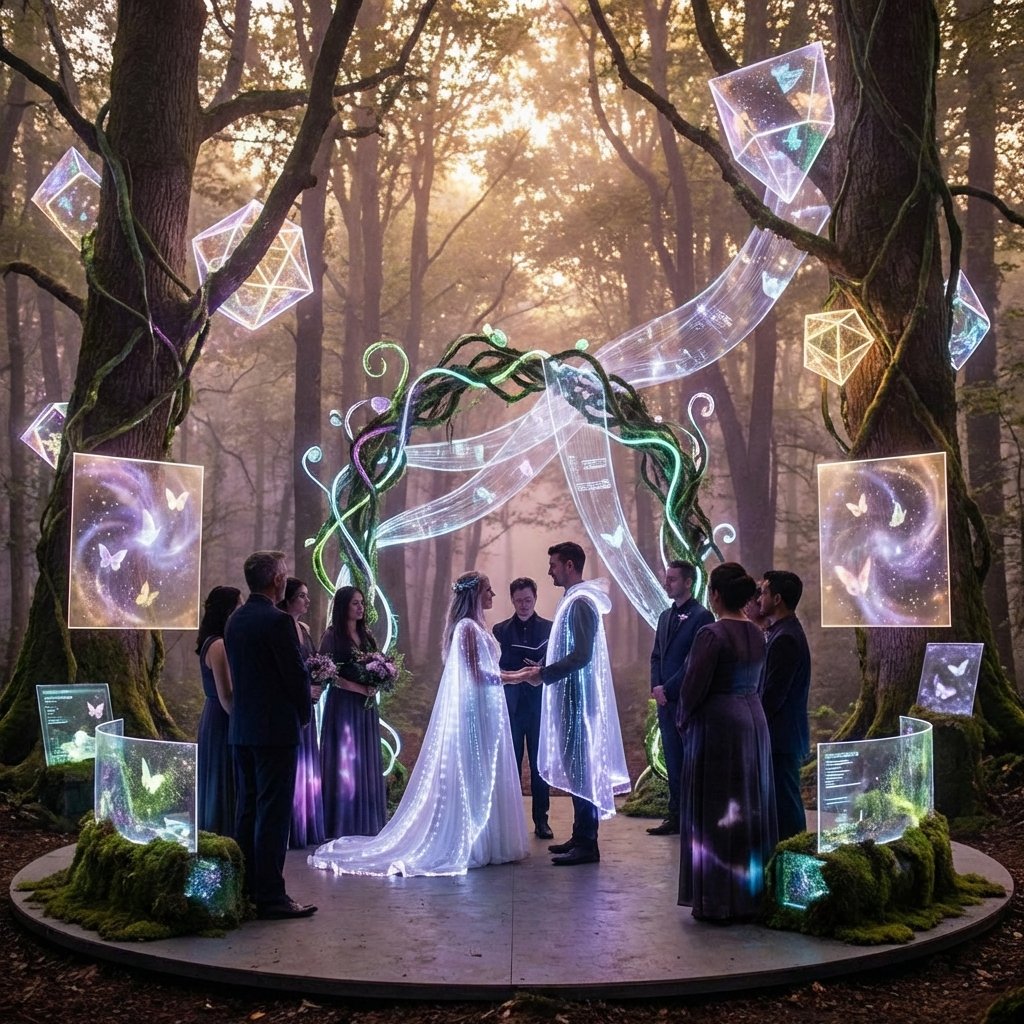
The intersection of nature and technology in future weddings
Whether you're dreaming of an earthy wedding in a forest clearing, searching for the perfect sustainable wedding dress, or looking for innovative wedding ideas that wow your guests, this guide provides a complete roadmap to bring your vision to life.
FREE Wedding Planning Toolkit!
Get instant access to our complete wedding planning resources, templates, and checklists!
✨ Get FREE Resources Now ✨⚡ Instant Access • 100% Free • No Sign-Up Required
What You'll Learn in This Guide:
- ✓ Complete 12-month wedding planning timeline
- ✓ How to plan an earthy, sustainable wedding
- ✓ Modern wedding dress trends and shopping guide
- ✓ Detailed budget breakdown and cost-saving strategies
- ✓ Innovative wedding ideas for 2026
- ✓ Vendor selection and contract negotiation tips
- ✓ Day-of coordination checklist
Understanding Future Wedding Plans: What's Changed?
The wedding industry has undergone a radical transformation. Gone are the days when every wedding followed the same script. Today's future wedding plans are characterized by:
- Sustainability First: Eco-conscious choices from invitations to favors
- Personalization Over Tradition: Ceremonies that reflect your unique story
- Technology Integration: Virtual attendance options, digital planning tools, and interactive experiences
- Wellness Focus: Mindful planning processes that reduce stress
- Intimate Gatherings: Quality over quantity in guest lists
This shift isn't just about aesthetics—it's about creating meaningful experiences that align with your values and leave a positive impact on the planet.
The Complete Wedding Planning Roadmap
Planning a wedding can feel overwhelming, but breaking it down into manageable phases makes the process enjoyable. Here's your month-by-month roadmap:
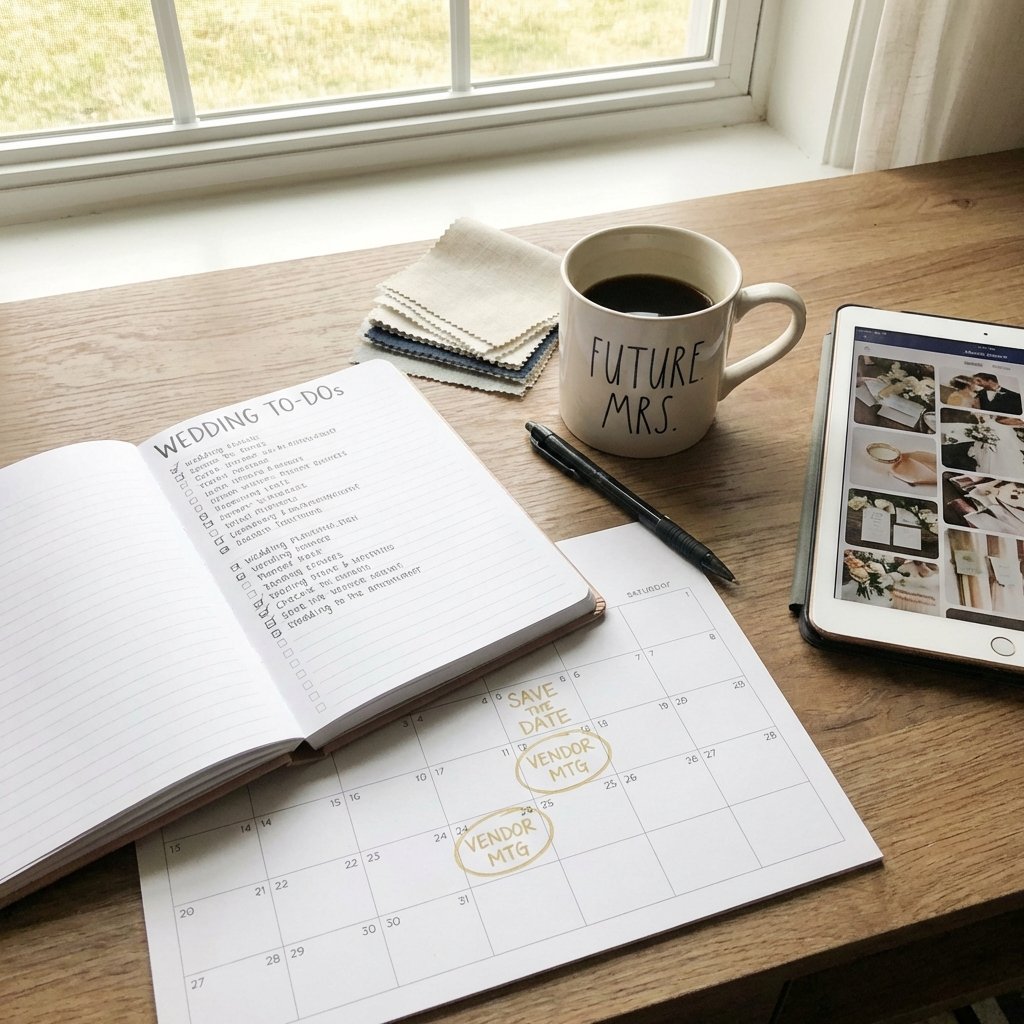
Stay organized with a detailed wedding planning timeline
12-18 Months Before Your Wedding
Phase 1: Foundation & Vision
Week 1-2: Define Your Vision
- Have honest conversations about what matters most to both of you
- Create a shared Pinterest board or vision board with your partner
- Decide on your wedding style (earthy, modern, traditional, fusion)
- Determine your must-haves vs. nice-to-haves
Week 3-4: Budget Planning
- Determine who's contributing financially and how much
- Research average costs in your area
- Create a detailed budget spreadsheet (download our free template below)
- Build in a 10-15% contingency fund for unexpected expenses
Month 2-3: Guest List & Date
- Draft your preliminary guest list (expect to revise this multiple times)
- Choose 2-3 potential wedding dates
- Consider seasonality and how it affects your vision
- Check for conflicts with major holidays or family events
Month 4-6: Venue & Key Vendors
- Research and visit 5-7 venues that match your vision
- Book your venue (this often determines your final date)
- Hire your photographer and videographer
- Secure your caterer or confirm venue catering
- Consider hiring a wedding planner if budget allows
9-11 Months Before
Phase 2: Building Your Team
- Book your officiant and discuss ceremony customization
- Start shopping for your wedding dress (allow 6-9 months for ordering and alterations)
- Reserve hotel room blocks for out-of-town guests
- Hire your DJ, band, or entertainment
- Book hair and makeup artists
- Begin planning your honeymoon
- Send save-the-dates if you have many out-of-town guests
6-8 Months Before
Phase 3: Details & Design
- Order bridesmaid dresses and groomsmen attire
- Book your florist and finalize arrangements
- Choose your wedding cake or dessert options
- Finalize your menu with tastings
- Order wedding invitations and stationery
- Register for gifts (if choosing to do so)
- Plan your ceremony music and readings
- Book transportation for the wedding day
3-5 Months Before
Phase 4: Finalization
- Mail your wedding invitations (8-12 weeks before)
- Plan and book your rehearsal dinner venue
- Finalize ceremony and reception details
- Purchase wedding rings
- Schedule dress fittings
- Create your wedding website with all guest information
- Plan any pre-wedding events (bridal shower, bachelor/bachelorette)
1-2 Months Before
Phase 5: Final Countdown
- Confirm final guest count with caterer
- Create detailed seating chart
- Have final dress fitting
- Apply for marriage license
- Confirm all vendor details and create day-of timeline
- Write your vows (if doing personal vows)
- Break in your wedding shoes
- Prepare vendor payments and tips
- Delegate day-of responsibilities to trusted friends/family
Final Week
Phase 6: Enjoy the Moment
- Attend rehearsal and rehearsal dinner
- Confirm final details with all vendors
- Pack for honeymoon
- Get plenty of rest
- Prepare emergency kit for wedding day
- Give final payments to vendors
- Relax and trust your planning
Download Your Free Wedding Planning Toolkit
Get our complete wedding planning templates including budget spreadsheets, vendor comparison charts, timeline checklists, and more.
Download Free Templates →Planning the Perfect Earthy Wedding
An earthy wedding celebrates the natural world while minimizing environmental impact. It's about creating beauty through simplicity and honoring the earth that sustains us.
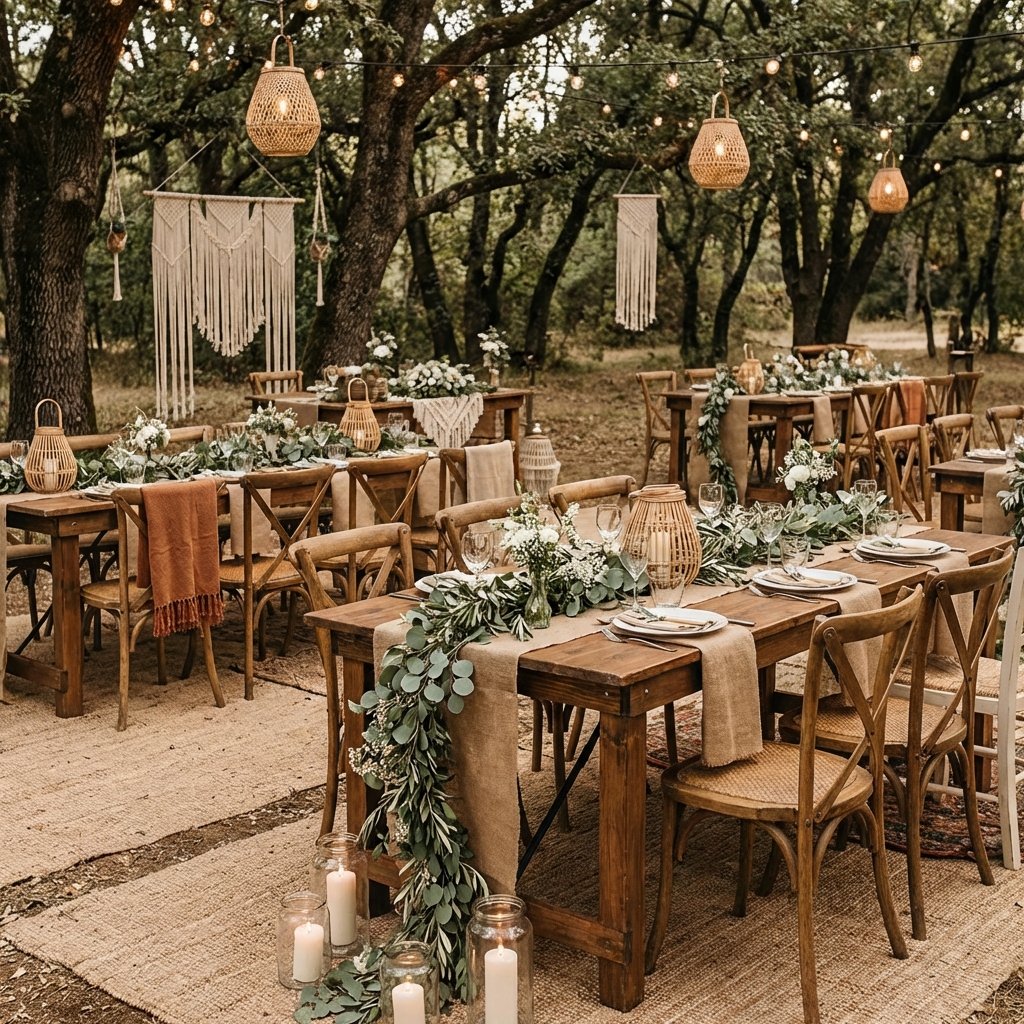
Essential Elements of an Earthy Wedding
1. Choosing an Earthy Venue
Your venue sets the tone for your entire celebration. Consider:
- Natural Settings: Forest clearings, botanical gardens, beaches, vineyards, farms
- Historic Barns: Rustic charm with modern amenities
- Outdoor Estates: Private properties with natural landscaping
- Eco-Lodges: Venues committed to sustainability
Questions to Ask Venues:
- What are your sustainability practices?
- Do you allow outside vendors?
- What's your backup plan for weather?
- Are there restrictions on decorations?
- What's included in your rental fee?
2. Earthy Wedding Decor
Create atmosphere without waste:
- Florals: Seasonal, locally-sourced flowers; dried arrangements; potted plants guests can take home
- Materials: Reclaimed wood, natural linens, stone, clay, jute
- Lighting: String lights, lanterns, candles in reusable holders
- Centerpieces: Herb gardens, succulents, wildflower bundles, fruit displays
- Signage: Wooden boards, chalkboards, pressed flower art
3. Sustainable Color Palettes
Choose colors inspired by nature:
Earth Tones
Terracotta, rust, clay
Forest Greens
Sage, olive, moss
Neutrals
Cream, beige, taupe
Accents
Dusty rose, mauve
4. Eco-Friendly Catering
- Choose caterers who source locally and seasonally
- Offer vegetarian and vegan options
- Use real plates, glasses, and silverware (no disposables)
- Plan portions carefully to minimize food waste
- Arrange for leftover donation to local shelters
- Serve organic wines and craft beers from local producers
5. Sustainable Invitations & Stationery
- Digital invitations (most eco-friendly option)
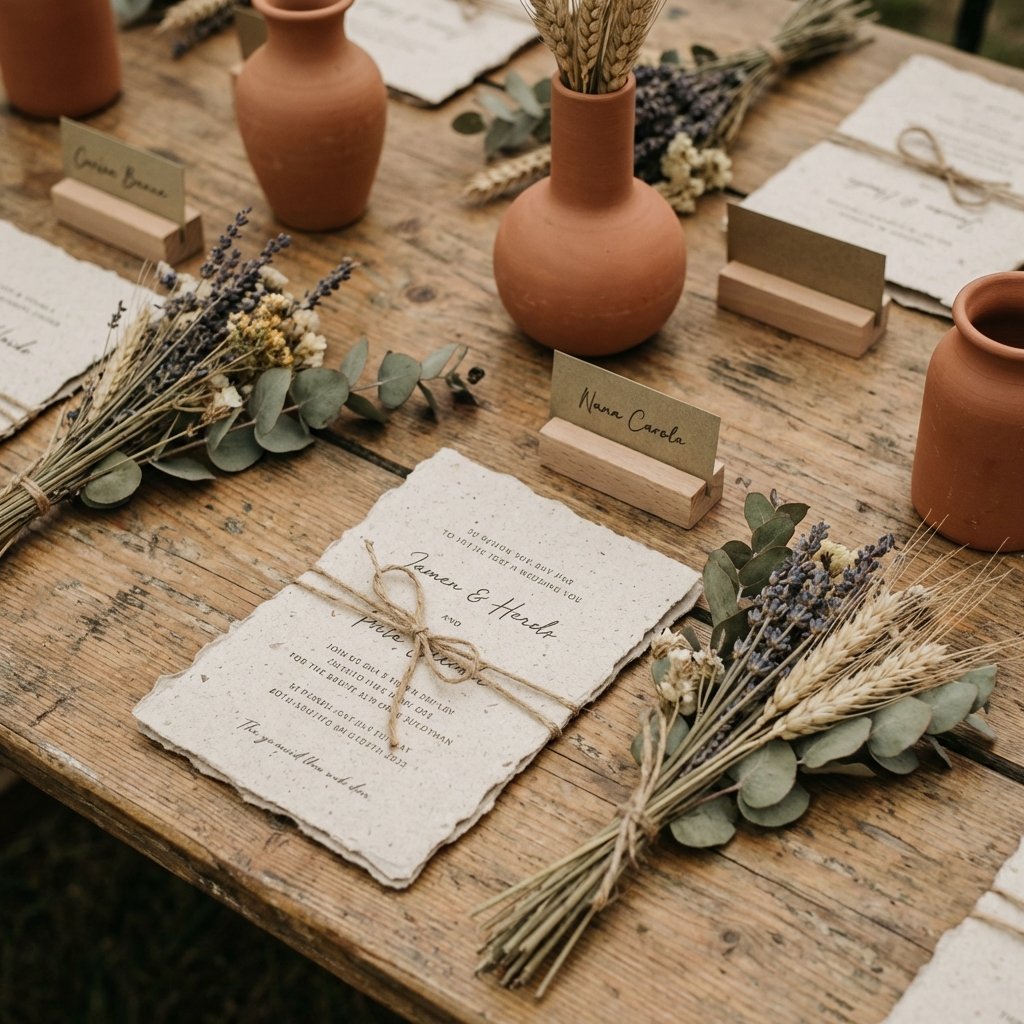
- Seed paper that guests can plant
- Recycled paper with soy-based inks
- Minimalist designs requiring less ink
- Wedding website for detailed information
The Modern Wedding Dress: A Complete Guide
Your wedding dress is one of the most personal decisions you'll make. In 2026, brides have more options than ever—from sustainable fabrics to rental services to custom designs.
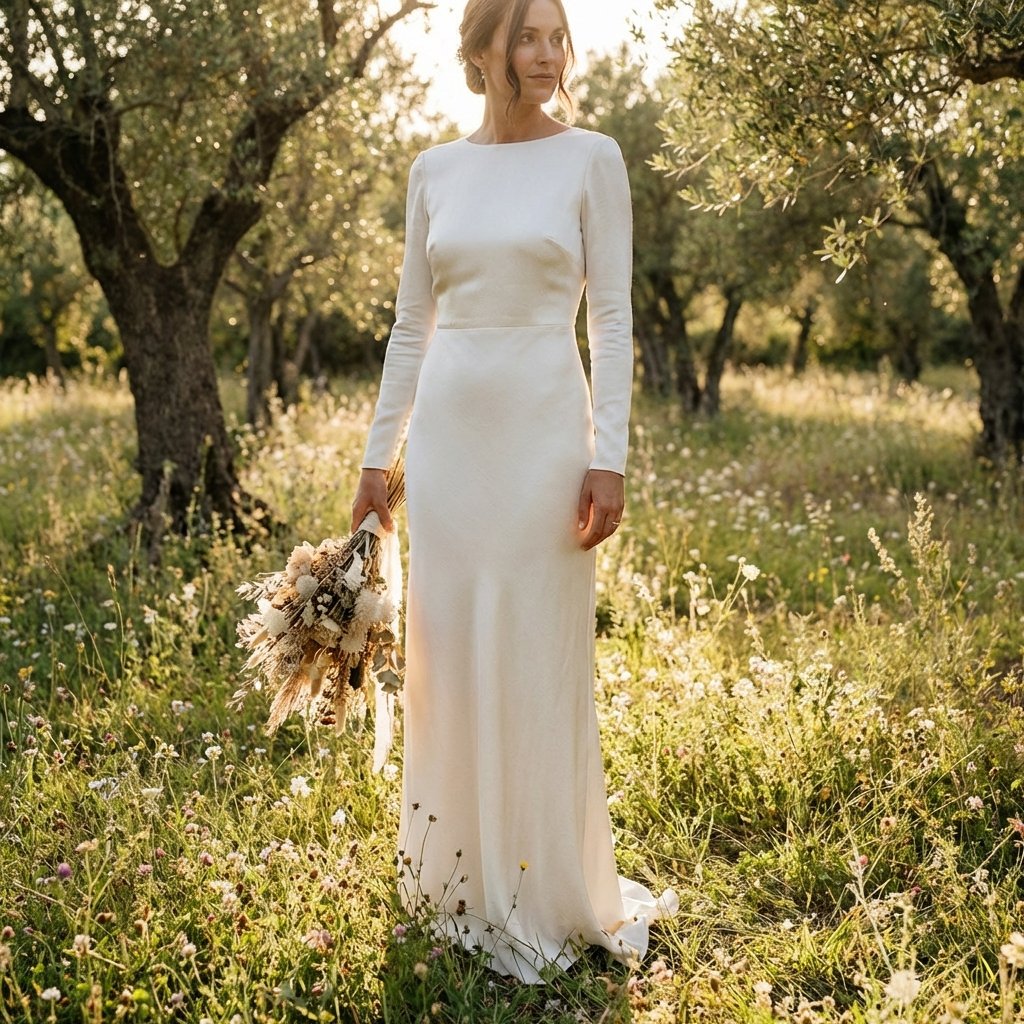
2026 Wedding Dress Trends
- Sustainable Fabrics: Organic silk, peace silk, hemp, Tencel, recycled materials
- Minimalist Silhouettes: Clean lines, architectural shapes, modern simplicity
- Convertible Designs: Detachable sleeves, trains, and overskirts
- Color Beyond White: Champagne, blush, sage, blue, even bold colors
- Vintage & Secondhand: Restored heirloom gowns and curated vintage pieces
Wedding Dress Shopping Timeline
9-12 Months Before:
- Research designers and styles
- Set your dress budget (typically 10-15% of total budget)
- Book appointments at 3-5 bridal salons
- Bring 1-2 trusted people (avoid too many opinions)
6-9 Months Before:
- Order your dress (custom dresses take 4-6 months)
- Consider rental options for budget-friendly choices
- Shop for accessories (veil, shoes, jewelry)
3-6 Months Before:
- First fitting and alterations consultation
- Break in your shoes
- Purchase undergarments and shapewear
1-2 Months Before:
- Final fitting and pickup
- Practice walking, sitting, and dancing in your dress
- Arrange for professional cleaning and preservation after the wedding
Sustainable Wedding Dress Options
- Rent: Services like Borrowing Magnolia or Rent the Runway offer designer gowns at fraction of retail
- Buy Secondhand: Stillwhite, PreOwnedWeddingDresses, or local consignment shops
- Sustainable Designers: Reformation, Christy Dawn, Leanne Marshall, Tara Lynn Bridal
- Custom Made: Work with local seamstress using sustainable fabrics
- Family Heirloom: Restore and modernize a family member's dress
Wedding Budget Breakdown: Where Your Money Goes
Understanding typical wedding costs helps you allocate your budget wisely. Here's a detailed breakdown based on a $30,000 wedding (adjust percentages for your budget):
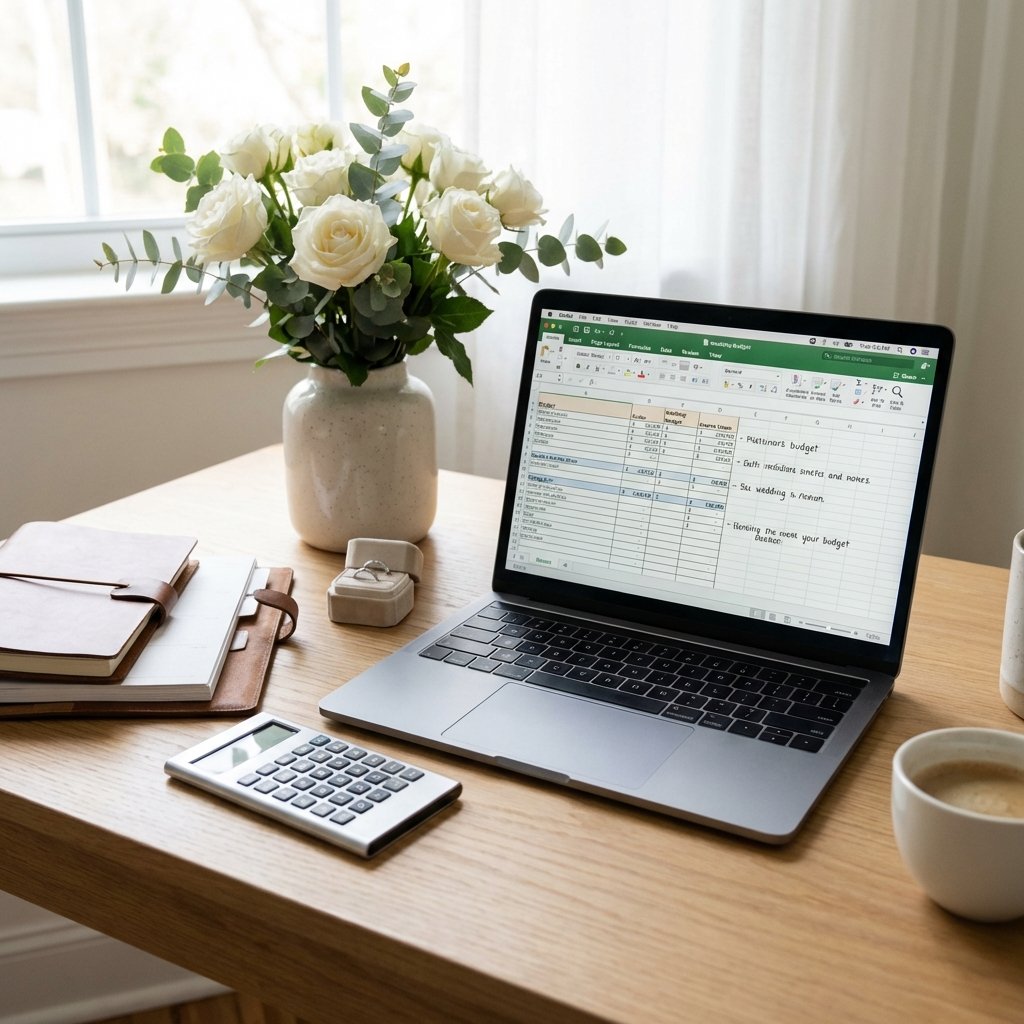
🧮Interactive Wedding Budget Calculator
Adjust your budget and guest count to see recommended allocations
$300 per person
Your Budget Breakdown:
💡 Tip: These are recommended ranges based on industry standards. Adjust based on your priorities—spend more on what matters most to you!
Get Your FREE Wedding Planning Resources!
Access our complete collection of wedding planning templates, checklists, budget trackers, and expert guides. Everything you need to plan your dream wedding!
✨ Click Here to Access FREE Resources ✨⚡ Instant Access • No Credit Card Required • 100% Free
Typical Wedding Budget Allocation
- • Venue rental: $2,000-5,000
- • Catering (food & beverage): $8,000-10,000
- • Rentals (tables, chairs, linens): $1,000-2,000
- • Photographer: $2,000-3,000
- • Videographer: $1,000-1,500
- • Wedding dress & alterations: $1,500-2,000
- • Suit/tux: $300-500
- • Accessories & shoes: $300-500
Money-Saving Strategies
- Off-Season Weddings: Save 20-30% by choosing November-March (excluding holidays)
- Friday or Sunday Weddings: Venues often discount non-Saturday dates
- Brunch or Lunch Reception: Less expensive than dinner
- Limit Guest List: Biggest cost driver is per-person expenses
- DIY Selectively: Invitations, favors, simple decor (but know your limits)
- Digital Invitations: Save hundreds on printing and postage
- Seasonal Flowers: In-season blooms cost significantly less
- Playlist Instead of DJ: Curate your own music with good speakers
- Dessert Bar: Supplement small cake with cookies, donuts, or pies
Innovative Wedding Ideas for 2026
Modern wedding ideas focus on creating memorable experiences and meaningful moments. Here are the top trends:
1. Micro-Weddings & Intimate Celebrations
Weddings of 20-50 guests allow for higher quality experiences and deeper connections. Benefits include:
- More budget per guest for elevated food and drinks
- Ability to have meaningful conversations with everyone
- Less stress and easier logistics
- Unique venue options (private homes, restaurants)
- More flexibility with timing and format
2. Technology Integration
- Livestreaming: Include distant loved ones in real-time
- Wedding Apps: Centralize schedules, maps, and updates
- Digital Guestbooks: Video messages from guests
- Social Media Walls: Live photo feeds from guests
- Virtual Reality: Venue tours for planning or guest previews
3. Experience-Based Receptions
Move beyond traditional reception formats:
- Interactive Food Stations: Build-your-own tacos, pasta bars, s'mores stations
- Lawn Games: Cornhole, giant Jenga, croquet
- Live Entertainment: Caricature artists, tarot readers, live painters
- Photo Experiences: 360° photo booths, instant print stations
- Craft Cocktail Bars: Mixologists creating custom drinks
4. Wellness-Focused Weddings
- Morning yoga sessions for wedding party
- Meditation or mindfulness moments during ceremony
- Healthy, nourishing menu options
- Alcohol-free or low-alcohol beverage programs
- Spa activities for pre-wedding relaxation
5. Multi-Day Celebrations
Especially popular for destination weddings, spreading events over 2-3 days creates a festival atmosphere:
- Welcome dinner or cocktails
- Group activities (hiking, wine tasting, beach day)
- Rehearsal dinner
- Wedding day
- Farewell brunch
Selecting and Managing Vendors
Your vendors bring your vision to life. Here's how to choose and work with them effectively:
Essential Questions for Every Vendor
- ✓ Are you available on our wedding date?
- ✓ How many weddings do you book per weekend?
- ✓ Can we see full galleries/portfolios from recent weddings?
- ✓ What's included in your packages?
- ✓ What's your payment schedule?
- ✓ What's your cancellation and refund policy?
- ✓ Do you have backup plans for emergencies?
- ✓ Do you have liability insurance?
- ✓ Will you be the person working our wedding or will you send a team?
- ✓ Can we see references from recent clients?
Contract Essentials
Every vendor contract should include:
- Detailed description of services
- Date, time, and location
- Total cost and payment schedule
- Cancellation and refund terms
- What happens if vendor can't fulfill (backup plans)
- Overtime rates if applicable
- Delivery/setup/breakdown responsibilities
Vendor Tipping Guide
- Catering Staff: $20-50 per server
- Bartenders: 10-15% of bar bill or $50-100 each
- Hair/Makeup: 15-20% of service cost
- DJ/Band: $50-150 per performer
- Photographer/Videographer: $50-200 (optional if owner)
- Delivery Drivers: $10-20 each
- Officiant: $50-100 (if not charging a fee)
Note: If gratuity is included in contract, additional tipping is optional
Day-Of Coordination: Your Final Checklist
The week of your wedding, shift from planning mode to enjoying mode. Here's your final checklist:
One Week Before
- □ Confirm final headcount with caterer
- □ Finalize seating chart
- □ Confirm all vendor arrival times
- □ Create day-of timeline and share with wedding party
- □ Prepare vendor payments and tips in labeled envelopes
- □ Break in wedding shoes
- □ Pack emergency kit
Day Before
- □ Attend rehearsal
- □ Rehearsal dinner
- □ Give rings to best man/maid of honor
- □ Charge all devices
- □ Lay out everything you need for tomorrow
- □ Get good sleep!
Wedding Day
- □ Eat a good breakfast
- □ Stay hydrated
- □ Give yourself extra time (things always take longer)
- □ Designate someone to handle vendor questions
- □ Put phone away and be present
- □ Take a private moment with your partner
- □ Enjoy every second!
Wedding Day Emergency Kit
Assign someone to carry this kit:
- Safety pins, needle and thread, fashion tape
- Stain remover pen
- Pain reliever, antacid, allergy medication
- Band-aids and blister pads
- Breath mints
- Tissues and blotting papers
- Touch-up makeup
- Bobby pins and hair spray
- Phone chargers
- Snacks and water
- Umbrella (if outdoor wedding)
After the Wedding: What's Next?
Your wedding day may be over, but there are still important tasks:
First Week
- Enjoy your honeymoon!
- Arrange for dress cleaning and preservation
- Return any rentals
First Month
- Send thank-you notes (aim to complete within 3 months)
- Review and select photos with photographer
- Update name on legal documents if changing
- Leave reviews for vendors
- Preserve bouquet if desired
First Year
- Create wedding album
- Frame favorite photos
- Share professional photos with guests
- Consider donating dress or selling to recoup costs
Ready to Start Planning?
Download our comprehensive wedding planning templates to organize every detail of your special day.
Get Free Planning Templates →Final Thoughts: Your Wedding, Your Way
Planning your future wedding is about more than checking boxes—it's about creating a day that authentically represents your relationship and values. Whether you choose an earthy wedding in a forest, a modern celebration in the city, or something entirely unique, the most important thing is that it feels true to you.
Remember these key principles:
- Stay True to Your Vision: Don't let others' expectations overshadow what you want
- Prioritize What Matters: Spend on what's important to you, save on what isn't
- Be Kind to Yourself: Planning is stressful—give yourself grace
- Focus on the Marriage: The wedding is one day; the marriage is forever
- Enjoy the Process: This is a special time—savor it
Your wedding dress, your venue, your flowers—every choice is an opportunity to express who you are as a couple. Use this guide as a roadmap, but don't be afraid to take detours that feel right for you.
The future of weddings is personal, sustainable, and joyful. We can't wait to see what you create.
Frequently Asked Questions
How far in advance should I start planning my wedding?+
Ideally, start planning 12-18 months before your desired wedding date. This gives you time to book popular venues and vendors, order your dress with alterations, and avoid rush fees. However, shorter timelines are possible with focused planning.
What percentage of my budget should go to the venue?+
Venue and catering typically account for 40-50% of your total wedding budget. This is usually the largest expense, so prioritize finding a venue that aligns with your vision and budget constraints.
How can I make my wedding more sustainable?+
Choose local, seasonal flowers; use digital invitations; rent or buy secondhand attire; select eco-friendly venues; serve locally-sourced food; use real dishes instead of disposables; and donate leftover food to shelters.
When should I order my wedding dress?+
Order your wedding dress 6-9 months before your wedding date. Custom dresses can take 4-6 months to create, plus you'll need time for 2-3 fittings and alterations.
Do I need a wedding planner?+
Not necessarily. Hire a planner if you have a complex wedding, limited time, or want professional expertise. Consider a day-of coordinator for budget-friendly help. DIY planning works well for smaller weddings or organized couples.