Budgeting for Your 2026 Wedding: Smart Tips & Hidden Costs
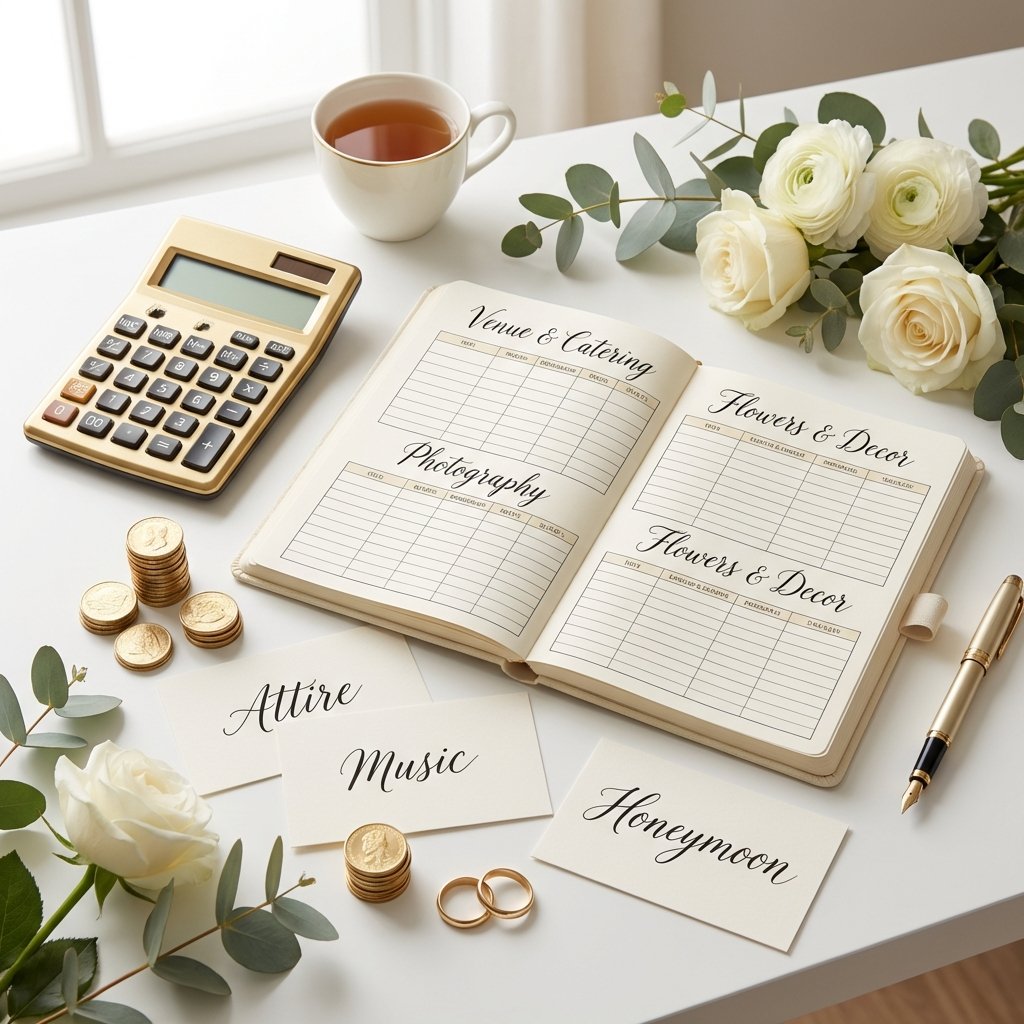
Creating a realistic wedding budget for 2026 is one of the most important—and challenging—parts of wedding planning. With the average wedding costing between $25,000 and $35,000, understanding where your money goes and how to allocate it wisely can make the difference between financial stress and a celebration you can actually afford.
This comprehensive guide will walk you through every aspect of wedding budgeting, from determining your total budget to allocating funds across categories, finding hidden costs, and discovering smart ways to save without sacrificing your vision.
Interactive Budget Calculator
Enter your total wedding budget below to see recommended allocations for each category. These percentages are based on industry standards, but remember—every wedding is unique, and you can adjust based on your priorities.
Venue & Catering
Ceremony and reception location, food, beverages, service staff
Photography & Videography
Professional photographer, videographer, albums, prints
Attire & Beauty
Wedding dress, suit, alterations, hair, makeup, accessories
Flowers & Decor
Bouquets, centerpieces, ceremony decor, reception styling
Entertainment
DJ, band, ceremony musicians, sound equipment
Invitations & Stationery
Save-the-dates, invitations, programs, menus, thank-you cards
Wedding Rings
Bride and groom wedding bands
Transportation
Limos, shuttles, valet service
Favors & Gifts
Guest favors, welcome bags, wedding party gifts
Miscellaneous & Contingency
Unexpected costs, tips, marriage license, etc.
Understanding the Average Wedding Budget in 2026
Wedding costs have evolved significantly over the past few years. In 2026, the average wedding in the United States costs approximately $30,000, though this varies dramatically by location, guest count, and personal preferences.
Regional Cost Variations
Where you get married has a massive impact on costs:
- Major metropolitan areas (NYC, LA, San Francisco, Chicago): $40,000-$60,000+
- Mid-sized cities: $25,000-$35,000
- Rural areas: $15,000-$25,000
- Destination weddings: Highly variable, often $20,000-$40,000 for the couple
These differences are driven by venue costs, vendor rates, and general cost of living in each area.
How to Determine Your Wedding Budget
Before you can allocate funds, you need to determine your total budget. Here's how to approach this critical first step:
1. Assess Your Financial Situation
Be honest about what you can afford without going into debt. Consider:
- Current savings dedicated to the wedding
- Monthly income and how much you can save between now and the wedding
- Other financial obligations (rent, student loans, etc.)
- Emergency fund—don't drain it for your wedding
2. Discuss Family Contributions
Have honest conversations with family members about whether they plan to contribute financially. Traditionally, parents contributed significantly, but modern couples often pay for much or all of their wedding themselves.
Important: If family is contributing, clarify expectations. Financial contributions sometimes come with opinions about guest lists, vendors, or wedding style. Set boundaries early.
3. Prioritize What Matters Most
Not all wedding elements are equally important to every couple. Identify your top 3 priorities and allocate more budget there. For example:
- If photography is your priority, allocate 15-20% instead of 12%
- If you're foodies, invest more in catering and less in decor
- If you love music, splurge on a live band instead of a DJ
Breaking Down the Budget: Where Does the Money Go?
Let's dive deeper into each major budget category and what you should expect to spend.
Venue & Catering (40% of budget)
This is typically your largest expense, and for good reason—it includes the space, food, drinks, and service staff. For a $30,000 wedding, that's about $12,000.
What's included:
- Venue rental fee (ceremony and/or reception)
- Catering (appetizers, dinner, dessert)
- Bar service (open bar, beer/wine only, or cash bar)
- Service staff (servers, bartenders, coordinators)
- Tables, chairs, linens (sometimes included, sometimes extra)
Money-saving tips: Consider all-inclusive venues that bundle catering and rentals. Friday or Sunday weddings often cost 20-30% less than Saturdays. Brunch or lunch receptions are typically cheaper than dinner.
Photography & Videography (12% of budget)
Professional photography is one investment you won't regret. For a $30,000 wedding, allocate about $3,600.
What's included:
- Photographer's time (typically 8-10 hours)
- Edited digital images
- Engagement session (often included)
- Videographer (optional but recommended)
- Albums and prints (usually extra)
Money-saving tips: Book newer photographers building their portfolios. Skip the videographer if needed, but don't compromise on photography. Digital-only packages save money versus printed albums.
Attire & Beauty (10% of budget)
Looking your best on your wedding day is important, but costs can spiral. Budget about $3,000 for a $30,000 wedding.
What's included:
- Wedding dress ($800-$3,000+)
- Alterations ($150-$600)
- Veil and accessories ($100-$500)
- Groom's suit or tux ($200-$1,000)
- Hair and makeup for bride ($200-$500)
- Hair and makeup for wedding party (optional)
Money-saving tips: Shop sample sales, trunk shows, or secondhand. Rent the groom's attire. Do your own makeup or hire a student from a beauty school.
Flowers & Decor (10% of budget)
Florals and decor set the aesthetic tone. For a $30,000 wedding, that's about $3,000.
What's included:
- Bridal bouquet and bridesmaids' bouquets
- Boutonnieres and corsages
- Ceremony arrangements (altar, aisle, etc.)
- Reception centerpieces
- Additional decor (candles, signage, etc.)
Money-saving tips: Choose seasonal, local flowers. Use greenery and candles to fill space affordably. Repurpose ceremony flowers at the reception. Consider dried flowers or potted plants guests can take home.
Entertainment (8% of budget)
Music creates the atmosphere and keeps guests engaged. Budget about $2,400 for a $30,000 wedding.
What's included:
- Reception DJ or band
- Ceremony musicians (optional)
- Sound equipment and microphones
- Lighting (sometimes extra)
Money-saving tips: DJs are typically less expensive than live bands. Create your own playlist and rent sound equipment. Book musicians for ceremony only and use a DJ for reception.
Hidden Costs You Need to Know About
Many couples are blindsided by unexpected expenses. Here are the most common hidden costs:
Service Charges and Gratuity (15-25% of vendor costs)
Many venues and caterers add service charges (18-22%) and expect additional gratuity (5-10%). On a $10,000 catering bill, that's an extra $2,000-$3,000.
Overtime Fees
If your reception runs long, vendors may charge overtime. Photographers might charge $200-$400 per extra hour. Plan your timeline carefully.
Cake Cutting and Corkage Fees
Some venues charge $2-$5 per person to cut and serve cake you bring from an outside bakery. Corkage fees for bringing your own wine can be $10-$25 per bottle.
Delivery and Setup Fees
Florists, rental companies, and bakers often charge delivery and setup fees ($50-$300 each). Ask upfront.
Alterations
Wedding dress alterations can cost $150-$600, sometimes more for complex changes. Budget for this separately from the dress cost.
Marriage License and Officiant
Marriage licenses cost $30-$100 depending on location. Officiant fees range from $200-$800.
Postage
Mailing 150 invitations with RSVP cards costs $150-$250 in postage alone. Heavier or oversized invitations cost more.
Smart Money-Saving Strategies
You don't have to sacrifice your vision to stay within budget. Here are proven strategies to save money:
1. Prioritize and Splurge Strategically
Identify your top 3 priorities and allocate more budget there. Cut back on things that matter less to you. Love food? Splurge on catering and skip expensive favors. Obsessed with photos? Invest in a top photographer and DIY your decor.
2. Choose an Off-Peak Date
Friday, Sunday, or weekday weddings can save 20-30%. Off-season months (January, February, November) often have lower rates.
3. Limit Your Guest List
This is the single most effective way to reduce costs. Catering, rentals, favors, and invitations are all per-person expenses. Cutting 50 guests can save $5,000-$7,500.
4. DIY Thoughtfully
DIY can save money, but be realistic about your time and skills. Good DIY projects: invitations, favors, simple centerpieces, signage. Bad DIY projects: wedding cake, complex floral arrangements, photography.
5. Negotiate and Bundle
Ask vendors if they offer package deals or discounts for bundling services. Some photographers offer discounts if you also book their videography. Venues might reduce rental fees if you use their preferred caterer.
6. Skip What Guests Won't Remember
Guests remember great food, good music, and the overall vibe. They don't remember expensive favors, elaborate programs, or chair covers. Allocate budget to what creates lasting memories.
7. Use Technology
Digital save-the-dates and invitations save hundreds on printing and postage. Wedding websites provide all the information guests need for free.
When to Splurge vs. Save
Not all budget cuts are created equal. Here's where to invest and where to economize:
Worth the Splurge:
- Photography: These are your lasting memories
- Food: Guests will remember great (or terrible) food
- Venue: Sets the tone for the entire event
- Music/Entertainment: Makes or breaks the reception atmosphere
Safe to Save:
- Favors: Guests often leave them behind
- Elaborate invitations: Digital or simple paper works fine
- Chair covers and linens: Venues usually have acceptable options
- Excessive decor: A few statement pieces are better than cluttered tables
Tracking Your Budget Throughout Planning
Creating a budget is just the first step—you need to track spending throughout the planning process.
Use a Spreadsheet or App
Track every expense, deposit, and payment. Popular tools include:
- Google Sheets (free and shareable)
- WeddingWire or The Knot budget tools
- Mint or YNAB for overall financial tracking
Build in a 10% Contingency
Unexpected costs always arise. Set aside 10% of your budget for overages and surprises. If you don't use it, great—you'll have extra for your honeymoon or savings.
Review Monthly
Check your budget monthly to ensure you're on track. If you're overspending in one category, adjust another to compensate.
What to Do If You're Over Budget
If you find yourself exceeding your budget, don't panic. Here are your options:
1. Trim the Guest List
This has the biggest impact. Every guest costs $100-$200+ when you factor in food, drinks, and rentals.
2. Simplify Your Vision
Scale back on decor, choose a less expensive venue, or opt for a cocktail reception instead of a full dinner.
3. Extend Your Engagement
More time means more months to save. Pushing your wedding back 6-12 months can make a significant difference.
4. Increase Your Budget (If Possible)
If family can contribute more or you can save additional funds, consider increasing your budget—but only if it doesn't create financial stress.
Complete Wedding Planning Resources
Budgeting is just one piece of the puzzle. Check out our comprehensive planning checklist and trend guide.
Final Thoughts: Budget Wisely, Celebrate Joyfully
Creating and sticking to a wedding budget requires discipline, but it's absolutely worth it. The goal isn't to have the cheapest wedding possible—it's to create a beautiful, meaningful celebration that doesn't leave you in debt.
Remember: your wedding is one day, but your marriage is forever. Don't start your life together with financial stress. Budget thoughtfully, prioritize what matters most, and focus on the real purpose of the day—celebrating your love and commitment.
Use the interactive budget calculator above to plan your allocations, track every expense, and don't be afraid to make adjustments as you go. With careful planning and smart choices, you can have the wedding of your dreams without the financial nightmare.